LED Billboard Trucks: A Practical Guide for 2026
By Joe DiRico | 2026-03-11T11:19:01.686Z
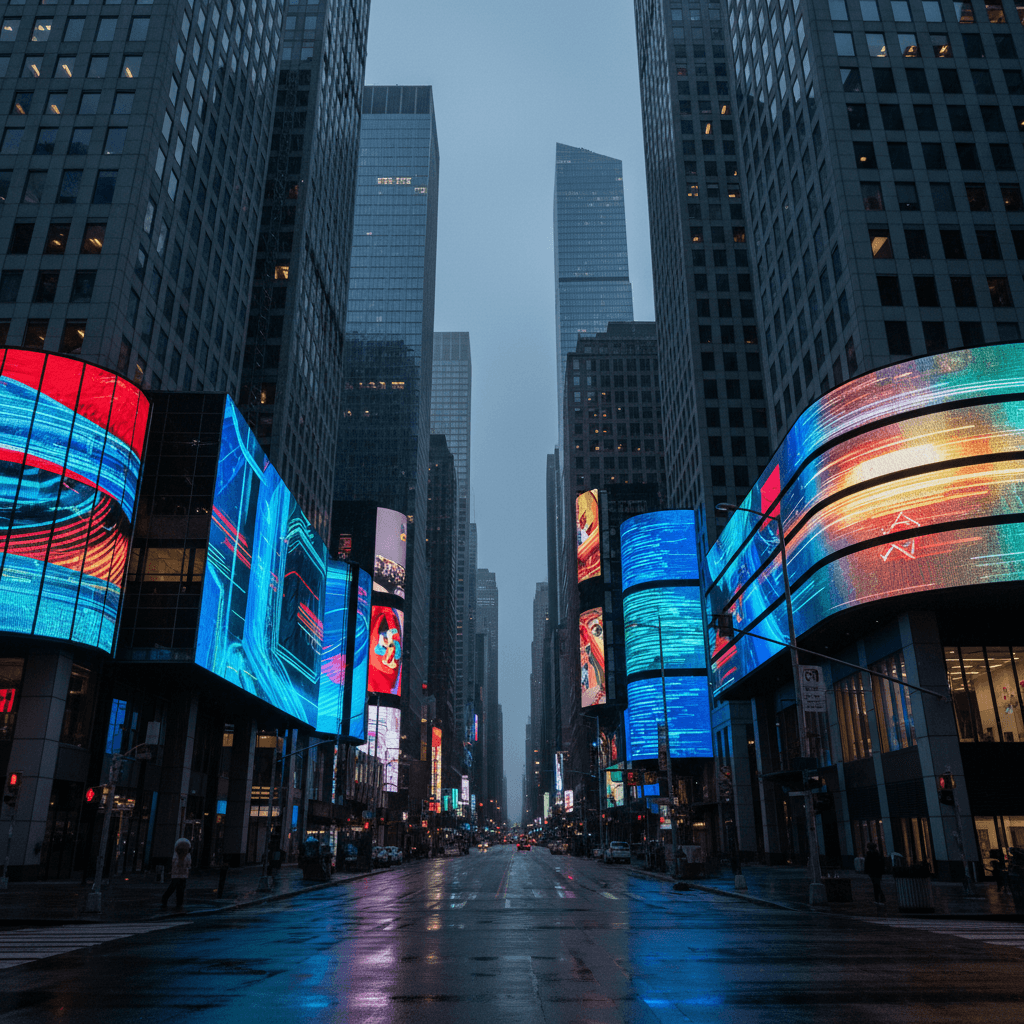
Mobile billboards put your brand exactly in front of your target audience, right when they're most likely to see it. While traditional advertising sits in one place hoping people will notice, these bright LED screens drive straight to the events, neighborhoods, and gatherings that matter to your business. Companies are discovering these eye-catching trucks can connect with potential buyers in ways that static ads simply can't match.
Why eBay Made $1.2M from One Truck While Others Failed
Most brands make a fundamental mistake with mobile advertising: they assume massive screens guarantee success. eBay discovered the actual winning formula during their Super Bowl weekend campaign. Rather than circling Times Square with every other advertiser, they positioned their truck outside MetLife Stadium and simply waited. Every game attendee spent 12-18 minutes walking past with absolutely nothing else to capture their attention except that LED display.
Nike took an even smarter approach. They abandoned the costly stadium circuits entirely and drove past gyms during rush hour, when commuters sit motionless with zero distractions. Both campaigns succeeded because they cornered their audience's focus, not because they featured the most elaborate graphics or messaging. That's the difference between campaigns that pay for themselves and ones that drain budgets.
Why You Need 8 Weeks to Book Times Square (And What Happens If You Don't)
Every marketing manager falls into the same trap with LED trucks. They brainstorm a campaign in January and scramble to secure Manhattan's busiest intersection for Valentine's Day. This approach fails every time. The heart of NYC draws over 300,000 daily visitors, making every brand compete for identical prime real estate.
The winning strategy requires booking 8-12 weeks in advance, particularly during holidays or major sporting events when massive crowds gather. You'll spend $3,000 daily for premium locations. But consider this: that cost undercuts a single static billboard at the crossroads of the world, while your advertisement travels directly to active pedestrian traffic. Miss that booking window, and you're stuck with backup routes that deliver half the eyeballs for the same price.
Standard vs Premium Displays: When $2,000 Extra Actually Matters
Many brands throw money at expensive 6mm displays when standard 10mm pixels deliver the same impact. The key difference comes down to viewing distance: when people see your truck from across the street or while driving, both pixel densities look practically identical. Premium displays only matter when viewers get within a few feet, such as busy tourist districts where people pose for photos.
For most campaigns, you're essentially paying premium prices for visual improvements that remain invisible to your audience. Take that budget difference and invest in strategic route planning instead. Smart placement beats screen quality every single time.
The Route Restrictions That Kill Campaigns
The biggest campaign killer isn't creative or budget problems. It's route restrictions nobody saw coming. New York blocks LED trucks from certain Midtown streets during peak hours, which sounds terrible until you realize the subway exits still deliver 32% of Times Square foot traffic. San Francisco caps brightness levels and requires downtown permits. Chicago has no-parking zones around sports venues.
Your LED truck operator better know these rules cold, or your entire campaign gets detoured to empty side streets where nobody will see it. The successful campaigns work backward from regulations to find the sweet spots competitors miss. Those hidden routes often deliver better results than the obvious choices everyone fights over.
Mobile LED advertising succeeds when you align your message with the right audience at precisely the right moment and place. Start by pinpointing where your target market spends time, then work backward to plan routes and timing that capture maximum attention.